







Every Modern Website Needs10 Essentials
Your website is often the first impression people have of your business—and that impression is made in seconds. A strong website foundation is key, whether you’re looking to build trust, generate leads, or simply offer a great user experience. Here are 10 must-haves every modern website should include:
#1
A Clear, Compelling Value Proposition
Your homepage should immediately communicate what you do and why it matters to the potential customer. In just a few words, tell visitors who you are, what you offer, and how it benefits them. Clear messaging helps visitors quickly understand your value and encourages them to explore further. Want them to take the next step, such as call, make an appointment, or download a white paper? Make it clear what they should do next and how to complete that step.
#2
Mobile-Friendly, Responsive Design
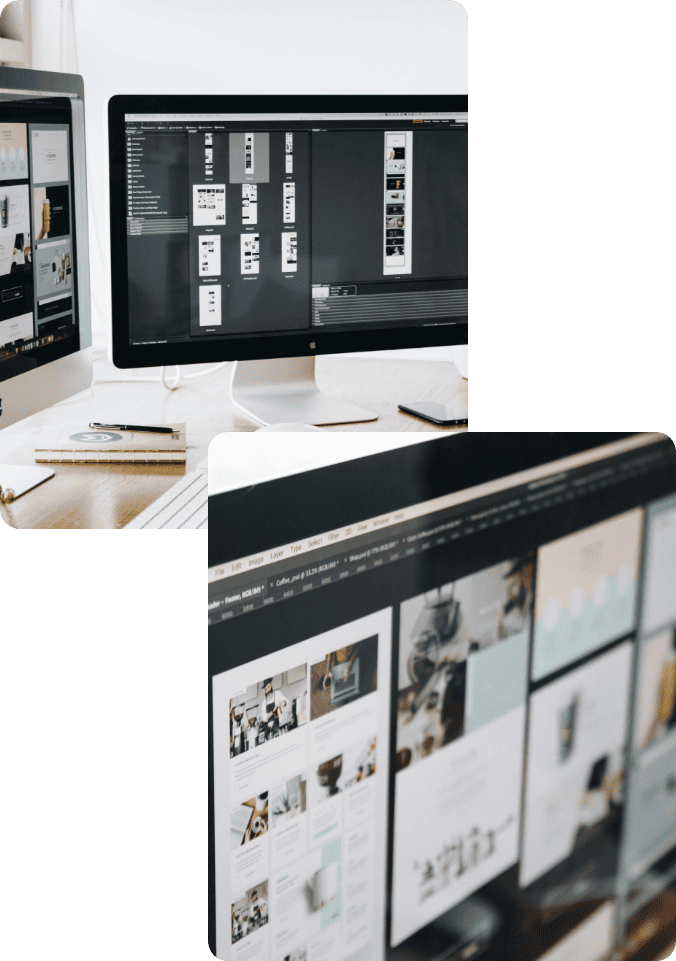
According to StatCounter GlobalStats, mobile traffic now accounts for more than half of web usage. A responsive design ensures your site looks and functions great on every device—desktop, tablet, or smartphone. It’s not just good design; it’s essential for user experience and SEO.
#3
Intuitive Navigation
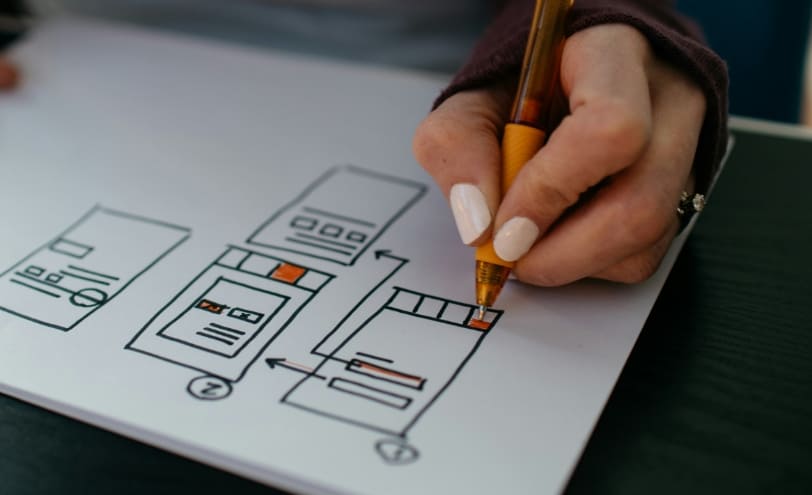
Your navigation should feel effortless to your website visitor. Use a clear menu structure, logical page hierarchy, and simple labels to guide visitors where they need to go. The faster someone can find what they’re looking for, the more likely they will stay. Not sure if your website is easy to navigate? Undergo user testing and gather feedback on where the user got stuck, what was confusing, and suggestions for change.
#4
Relevant, High-Quality Content
Great content informs, engages, and builds trust. Include informative blog posts, service or product descriptions, FAQs, and case studies that demonstrate your expertise and help answer your audience’s questions. Be careful not to make every piece of content a sales pitch. Not sure what to write? Search your topic and pay attention to what other content comes up, including the “people also ask” section of Google.
#5
a Clean, Professional Design
First impressions count. A modern layout with consistent branding, strategic white space, and strong visuals reinforces your professionalism and builds confidence with potential customers. A visually appealing website will help build trust and credibility with potential customers.
#6
Fast Load Times
Speed matters. How many times have you gotten frustrated with a slow-loading website? Visitors (and search engines) expect your site to load quickly. Optimize images, use modern coding practices, and consider tools like content delivery networks (CDNs) to keep performance sharp.
#7
Clear Calls to Action
What do you want visitors to do—call, fill out a form, request a quote? Make it evident with prominent, well-placed calls to action (CTAs). Don’t be afraid to repeat CTAs within the same page. Include contact details in the header, footer, or contact page so users never have to hunt for them.
#8
Built-In Security
A secure website builds trust and protects your users. At minimum, install an SSL certificate (HTTPS), keep your software updated, and include a privacy policy—especially if you’re collecting user information. According to Astra Security, on average, 30,000 websites are hacked daily, and 43% of those attacks are targeted at small businesses.
#9
Testimonials & Social Proof
Let your happy customers speak for you. Showcase testimonials, reviews, client logos, certifications, or awards. Social proof helps validate your credibility and influence decision-making.
#10
Search Engine Optimization (SEO) Basics
A beautiful site won’t help if no one can find it. SEO is a strategy to optimize your website and its content to rank higher in search engine results pages (SERPs). SEO best practices—like optimized titles, meta descriptions, proper heading structure, and relevant keywords—make your content more discoverable to search engines and increase your visibility.

final thoughts
A successful website is more than just good design—it’s a strategic tool that should support your business goals. Whether launching a brand-new site or refreshing your current one, start with these 10 essentials to set yourself up for long-term success.
